



I. Causes of Slow Internet Speeds and Solutions
1.1 Router Overheating or Cache Overload
In many places, routers are typically powered on from morning until night. However, like other electronic devices, routers can easily overheat when running for long periods, which can reduce network performance or even disconnect the network. In addition, routers store temporary data to process access requests quickly and reduce network latency. When they run for a long time without being restarted, large amounts of infrequently used data can accumulate in the router’s memory, causing cache overload.
Solution
Restart the router regularly to clear the cache. This method works for most people. The steps are as follows:
Turn off the power, wait 10-15 seconds, or longer until the device cools down.
Reconnect the power and wait for the router to fully start up. This process usually takes a few minutes.
If frequent restarts still fail to resolve the issue and other causes have been ruled out, you can try restoring the factory settings. This will erase all customized settings, including the network name and password, so do not use this method unless necessary. If you are not entirely sure what to do, consult a professional before proceeding. The reset steps are as follows:\n
Find the small reset button on the back of the router (usually located inside a pinhole).
Use a tool such as a paper clip to press and hold the reset button for approximately 10-15 seconds.
During the reset process, observe the indicator lights until the router has finished resetting.
Open a browser and enter the router's IP address in the address bar (usually 192.168.1.1 or 192.168.0.1).
Enter the “admin” username and password. The default details can be found on the router's label or in the user manual.
After logging in to the router's management panel, reconfigure the router settings.
Place the router in a well-ventilated area and keep it away from heat sources. If the issue is not resolved, you can purchase a cooling pad or consider switching to a router that can handle a higher load.
1.2 Improper Router Placement
The location where you place the router is also a key factor affecting the network. For example, placing it inside a cabinet, next to a thick concrete wall, or too far from where you use the network on a daily basis can result in weak Wi-Fi signals or signals being blocked by walls or furniture.
Solutions
Place your router in an open, elevated location near the center; avoid placing it near large metal objects, in corners, or next to devices that can easily interfere with the signal, such as microwaves and baby monitors.

1.3 The Router's Signal Is Not Strong Enough to Cover the Area
If the router's signal cannot cover the entire home or office area, network speeds may slow down in some corners, and Wi-Fi dead zones may appear. This issue is especially noticeable in large homes, multi-story offices, or buildings with thick walls and partitions.
Solution
If the area is not too large, you can use a Wi-Fi extender or replace the router with one that offers wider signal coverage.
If the area is large, you can improve the network signal by deploying multiple mesh Wi-Fi nodes, which can provide high-quality network connections in parallel. You can also consider using wired connections as a supplement in areas that are difficult to cover.
1.4 Aging Router
The signal transmitters, CPU, and memory of older routers will all experience performance degradation, resulting in reduced signal coverage, slower packet processing, and more. In addition, because the model is too old, the manufacturer may no longer provide firmware updates. As a result, the router may not support the latest Wi-Fi standards or handle high-speed network data transmission.
Solution
Check when you purchased your router and review its specifications. If it has exceeded its service life or does not support the latest Wi-Fi standards (such as Wi-Fi6), it is time to replace it with a new one.
1.5 Cable Issues
The physical connection cables between devices are also one of the factors that affect internet speed. For example, there is an older technology called ADSL (Asymmetric Digital Subscriber Line), which primarily relies on telephone lines to provide an internet connection. Although it was once widely used, it is now outdated and much slower than today’s mainstream fiber-optic or cable connections. If the lines have also deteriorated over time, this can further reduce internet speed.
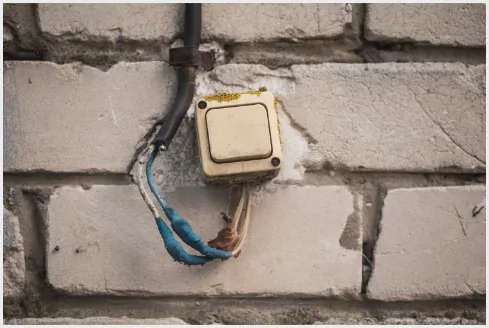
However, most users connect their routers or modems to their devices using Ethernet cables. In this case, if the cable causes network problems, it is generally due to poor cable quality or cable damage. Common causes of damage include mechanical damage, such as accidentally crushing or wearing down the cable when moving large furniture, as well as environmental factors such as extremely low or high temperatures and prolonged exposure to sunlight, which can cause the rubber coating to deteriorate. In addition, if you have pets such as cats or dogs at home, you need to be especially vigilant. They can easily climb to high places or squeeze into small corners, where they may pull at or bite the cables.
Solutions
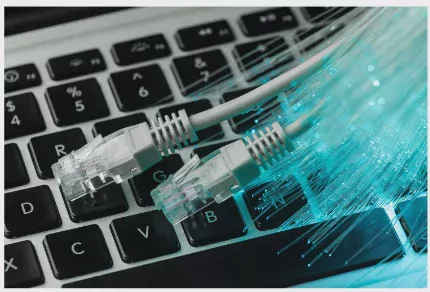
If you are still using ADSL, consider switching to a fiber-optic or cable network.
Inspect your cables regularly for signs of bent connectors, wear, or damage. Cables showing signs of deterioration or damage should be replaced promptly.
If the Ethernet cable is long and only slightly damaged, you can use a crimping tool to cut off the damaged section and attach a new connector to the remaining cable.
To prevent pets from chewing on cables, you can purchase specialized Ethernet cable protectors or hide the cables somewhere they cannot reach. Alternatively, spray the electrical cables with scents that are harmless to pets but that they dislike, such as lemon water or medicated oil. You can also provide pets with chew sticks, rubber toys, or similar alternatives to redirect their attention away from the cables.
1.6 Insufficient bandwidth
Bandwidth refers to the maximum transmission rate of a network connection. It is like the lanes on a highway: the more lanes there are, the more vehicles can pass through at the same time, and the faster data can be transmitted. When the bandwidth is insufficient to handle all online activities, internet speed will naturally slow down.
Currently, broadband services mainly include fiber-optic and cable connections. Compared with traditional cable connections, fiber-optic connections can provide higher bandwidth and faster speeds. If you often experience slow internet speeds, consider upgrading to a fiber-optic network. In addition, if your broadband plan has a data limit, your internet service provider (isp) may further restrict your internet speed when you exceed the data allowance.
Solutions
Upgrade your internet plan, especially if you have many devices at home or frequently use large amounts of data.
If you want to switch from cable internet to fiber optic, first assess your internet needs (such as bandwidth, speed, and budget), then choose an ISP that offers fiber optic service. Although installing fiber optic may involve higher costs, it will significantly improve your internet speed.
Make sure you understand whether the internet plan you purchase has any data limits. If it does, closely monitor your usage or upgrade to an unlimited data plan to avoid sudden throttling during use.
1.7 Multiple devices performing high-bandwidth tasks simultaneously
If multiple devices are simultaneously engaged in high-bandwidth activities on the current network, such as watching 4K videos, playing online games, or downloading large files, the network may become overloaded, slowing down the overall speed.
Solutions
Use your router's Quality of Service (QoS) settings to prioritize bandwidth for specific devices or tasks, ensuring that critical activities receive better network resources.
Try to stagger high-bandwidth activities. For example, when someone is participating in an online meeting, others should avoid downloading large files or playing games at the same time.
If members of the network frequently perform large data transfer tasks simultaneously, consider upgrading to a plan with higher bandwidth.

1.8 Unauthorized Internet Access
Slower internet speeds may also be caused by unauthorized users gaining access to your Wi-Fi—in simple terms, strangers may be using your network. They may consume large amounts of bandwidth for their own activities, such as downloading or transferring extremely large files, or even use it to carry out tasks that pose security risks.
Solution
Protect your network with a strong password and, if available, enable WPA3 encryption.
Regularly check the list of connected devices on your router. If you find an unknown device, change your Wi-Fi password immediately. Here are the steps to change your Wi-Fi password:
Log in to the router's admin interface (refer to the relevant router reset instructions for specific steps)
Go to the wireless settings, find the password option, and change it.
Save the settings. All devices will need to reconnect.

1.9 Channel congestion
Wi-Fi signals can operate on different channels, and congestion occurs when nearby routers all use the same channel. This means your router has to compete with other routers for bandwidth, which is particularly common in apartment buildings or densely populated areas.
Solution
Use a Wi-Fi analyzer to check nearby channels, then log in to the router's settings page and manually switch to a less congested channel. Although many routers can automatically select the best channel, interference from sources such as microwaves and signals from other Bluetooth devices can occur in real-world environments, so this does not guarantee that the channel best suited to your needs will be selected every time.
Switch to the 5 GHz band. Although this band has poorer penetration, it provides more channels and is relatively less congested.

1.10 Malware consumes resources
Malware includes trojans, spyware, and more. Once they infect a device, they consume memory and processing resources. Because they usually communicate with external servers, they also consume bandwidth. As a result, they can slow down not only the infected device itself and its internet connection, but potentially the network as a whole.
Solution
Regularly scan your device with updated antivirus software to detect and remove malware.
Keep your operating system and applications up to date to prevent vulnerabilities from being exploited by malware.
Avoid downloading software or files from untrusted sources, and be cautious with phishing emails or suspicious links that may contain malicious programs.
1.11 Background applications consume bandwidth resources
Many applications and programs on devices can run automatically in the background and are easy to overlook, such as automatic updates, cloud backups, or streaming services. These background tasks may also consume significant bandwidth, thereby slowing down the internet speed of other activities.
Solution
Check your device's task manager or activity monitor to see which applications are consuming bandwidth in the background. In particular, before starting an uninterrupted online meeting, livestream, gaming session, or other high-bandwidth task, disable or pause unnecessary background activity.
Whenever possible, schedule device updates during off-peak hours, such as early morning, to avoid network congestion.
1.12 ISP Service Issues
Sometimes, slow internet speeds may not be your fault but may be caused by poor service quality from your internet service provider (ISP). Failures in the ISP's network infrastructure, delayed maintenance, or poor handling of congestion during peak usage periods can all affect the quality of your internet connection.
Solutions
Run an internet speed test to check whether the speed of the network you are using matches the plan speed promised by your ISP.
If you suspect that your ISP's service is experiencing issues, check its service status online or contact customer support for assistance.
If you frequently experience slow speeds during peak hours and have ruled out issues with your own network, consider switching to an ISP with better service quality and more stable network connectivity.
1.13 Website / Platform Server Crash
Sometimes, a specific website or online platform may experience issues of its own, resulting in slow speeds or failed connections. These issues are usually temporary, but they can be frustrating if you rely on a particular service. If these outages occur frequently, consider using a more reliable alternative service.
Solutions
Try visiting other websites to verify whether your internet connection is working properly.
Sometimes, issues with your browser's cache or Cookies may prevent a website from loading properly. Clear your browser's cache and Cookies, then try again.
Try using a different browser to see whether you can access the website.
Use an online service to check whether the website is online, such as “Down for Everyone or Just Me” or “Is It Down Right Now?”。

1.14 VPN Service Issues
Some users choose to use a VPN to protect their online privacy, which is also a common cause of slower internet speeds. VPN services on the market vary widely in quality, and many products have highly unstable network connections. In addition, the farther away the server you choose is from you, the higher the latency and the longer data transmission will take.
Solution
Choose a VPN server node that is geographically closer to you. Many VPN services allow users to select nodes manually, so you can try switching between several.
If the problem cannot be resolved for an extended period, consider choosing a more professional VPN service.
1.15 Public Network Infrastructure Issues
Although this situation is very unlikely, it is not impossible: network outages may also occur due to force majeure or unexpected damage to public network infrastructure. You can verify this by contacting your ISP or asking your neighbors, but ultimately, you can only wait patiently for the network to be restored.
II. What Are the Key Points for Diagnosing Faults?
2.1 Regularly Test Network Speed and Record Anomalies
First, carefully check whether there is a problem with your Ethernet cable or network equipment. If not, closely monitor your internet speed and watch for anything unusual: when you notice a significant drop in speed, record the time, date, device in use, specific online activity, required bandwidth, and so on. Then use this information to analyze whether the problem is persistent or intermittent, whether it is related to peak-traffic periods or the use of a particular device, and so on. This will not only make it easier to diagnose the cause but also facilitate inquiries or issue reports to your internet service provider.
2.2 Continue Monitoring Network Conditions After Making Changes
Whether you have adjusted the router's position, upgraded your plan, or made other changes, a short-term improvement in internet speed does not mean that the problem has been resolved. You should continue tracking your network conditions for a period of time. It is recommended that you set several fixed times to test your internet speed, try using the network during peak hours, and continue recording network conditions. Only then can you confirm whether the measures you have taken are effective or whether further action is needed.
Conclusion
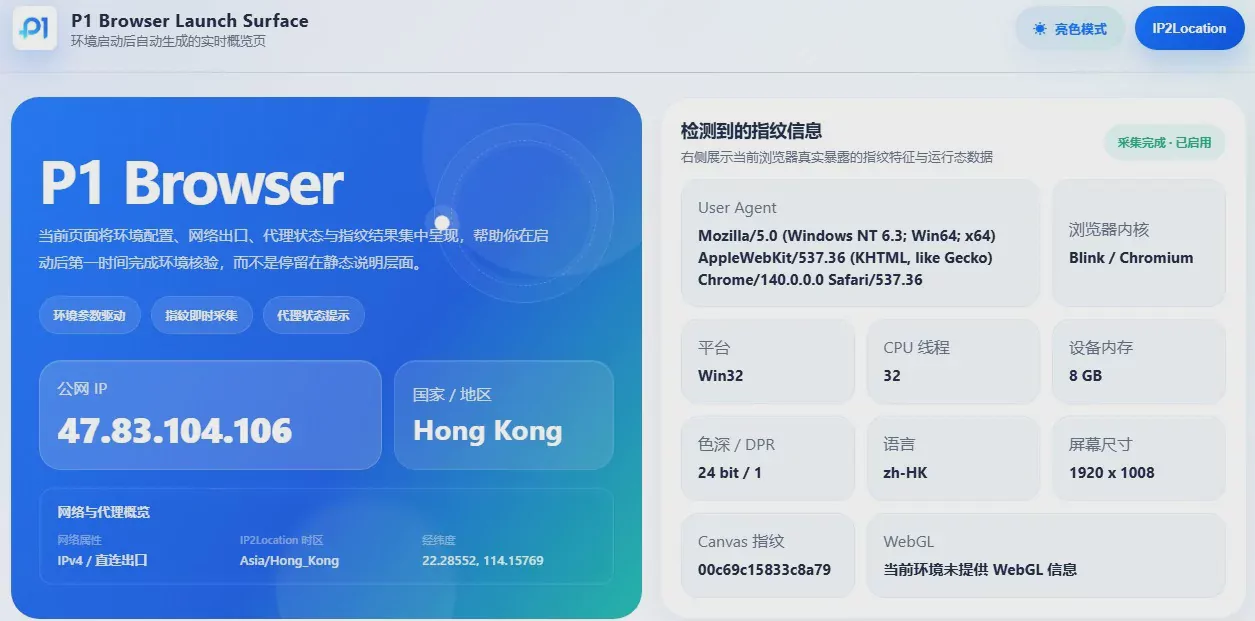
Once you have acquired the knowledge needed to identify and resolve various internet speed issues, choosing an appropriate internet speed test tool can help optimize your network more effectively.P1BrowserThe speed test tool is easy to use and powerful, making it suitable for all types of users. It is compatible with multiple operating systems and devices, and you can run a test simply by opening it in a browser. The testing process is fast, and the metrics are clear and straightforward, helping users quickly and easily understand their internet speed. If you use a VPN, it can also be used to detect issues such as DNS leaks, helping you verify whether the VPN you are using is effectively concealing your online traces.