


Navigating the world of online privacy and access can often feel like a complex journey. For users who frequently use proxies or VPNs, understanding the subtle differences between protocols such as HTTP, HTTPS, and SOCKS can greatly improve their online experience. These terms may appear frequently, but what do they actually mean, and how do they affect your online security and accessibility?
In this article, we will simplify these concepts and explain the key differences between HTTP, HTTPS, and SOCKS proxies. We will provide key information in a clear and concise manner, allowing you to make an informed proxy choice based on your specific needs.
Whether you want to enhance your privacy, protect your data, or bypass regional restrictions, understanding the importance of using the appropriate proxy type is essential. Through this guide, you will gain a better understanding of the functions and advantages of each protocol, enabling you to optimize your internet experience while keeping your online activities secure and private.
1. What Is an HTTP (s) Proxy?
HTTP Proxy
What is HTTP?
HTTP stands for Hypertext Transfer Protocol, and it is the foundation of data communication on the internet. It is a client-server protocol, which means that the user's browser (the client) sends a request to the website's server, and the server returns the requested resource, such as an HTML page, image, or video. HTTP is text-based and connectionless, meaning that a new connection is established for each request-response cycle and terminated once data transmission is complete.
What Is an HTTP Proxy?
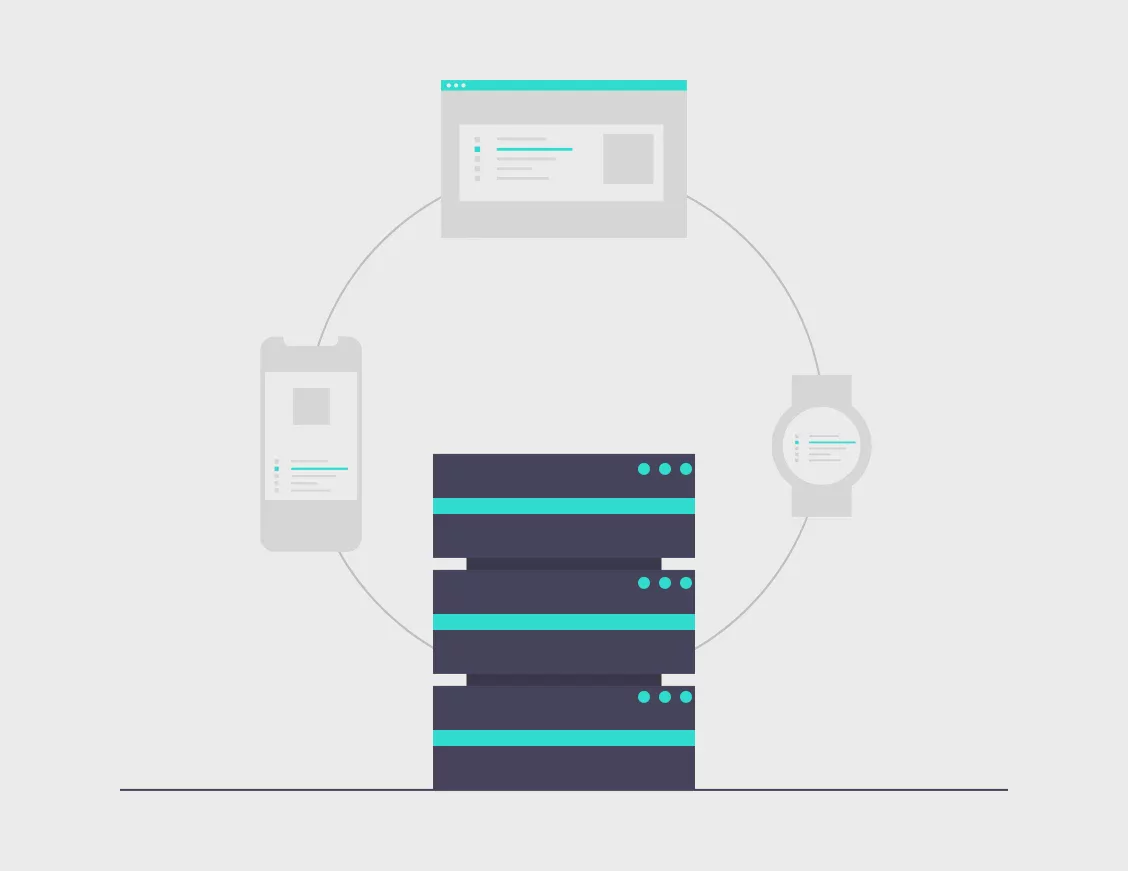
An HTTP proxy acts as an intermediary between the client browser and the web server. It receives HTTP requests from the client and forwards them to the web server, then relays the server's response back to the client. HTTP proxies can parse and process HTTP traffic, allowing them to perform tasks such as caching web pages to speed up subsequent access, filtering content, and managing data flows. They also provide users with a certain degree of anonymity and can be used to bypass geographic restrictions.
What Is an HTTPS Proxy?
An HTTPS proxy is similar to an HTTP proxy, but it adds a layer of security through SSL (Secure Sockets Layer) encryption. The “S” in HTTPS stands for “Secure,” meaning that the data transmitted between the client and server is encrypted. This type of proxy is essential when handling sensitive information, ensuring that data cannot be easily intercepted or read by unauthorized individuals. HTTPS proxies can securely handle not only HTTP traffic but also other TCP-based protocols, making them suitable for a variety of online activities that require confidentiality.
HTTP Proxy vs. HTTPS Proxy
HTTP proxies and HTTPS proxies differ significantly in the level of security they provide during data transmission.
HTTP proxies use the Hypertext Transfer Protocol (HTTP) to transmit unencrypted data. This is sufficient for basic web browsing but also makes the data vulnerable to interception. HTTPS proxies, however, add a layer of security through SSL encryption, converting HTTP into its secure version, HTTPS. This encryption is crucial when handling sensitive information because it ensures that the data remains private and unreadable to anyone who might intercept it.
Although both types of proxies can enhance privacy and help bypass content restrictions, HTTPS proxies are the better choice for users who prioritize security, especially for transactions involving personal or financial details.
2. What Is a SOCKS Proxy?

SOCKS Proxy
What is SOCKS?
SOCKS, or Socket Secure, is a network protocol that routes network traffic through a proxy server, enabling clients to connect to servers. It operates at Layer 5 of the OSI model (the session layer), between the presentation and transport layers. SOCKS proxies are designed for general-purpose use and are particularly useful for tasks involving large amounts of traffic, such as content streaming, P2P sharing, or accessing websites behind firewalls that restrict access by conventional clients.
SOCKS4 vs SOCKS5
There are two versions of the SOCKS protocol: SOCKS4 and SOCKS5. SOCKS4 is the older version of the protocol and supports only TCP connections, which are used to reliably transmit data packets over the internet. It does not support advanced features such as authentication, meaning that any client can use the proxy server without providing credentials.
On the other hand, SOCKS5 is a more advanced version that offers several key improvements over SOCKS4. These improvements include:
Support for both TCP and UDP protocols, enabling SOCKS5 to handle a wider variety of network traffic beyond web requests, such as DNS queries and P2P sharing.
Multiple authentication methods that can secure the proxy server באמצעות a username and password or more sophisticated methods such as GSS-API.
The ability to perform remote DNS queries, allowing DNS requests to be made through the proxy, thereby preventing potential DNS leaks and enhancing privacy protection.
3. What Is the Difference Between HTTP Proxies and SOCKS Proxies?
We have created the following content, listing the main differences between HTTP/HTTPS proxies and SOCKS proxies point by point to help you determine which type of proxy is best suited to your online activities.
-
SecurityHTTP/HTTPS proxy: Adds a layer of security for web browsing. Due to encryption, only the parties involved can see the data.SOCKS proxy: Uses a different method to verify the identity of the connecting party, providing a secure connection that is difficult to access without permission.
-
Data ProcessingHTTP/HTTPS proxy: Can read and manage network data, filtering out harmful content to protect users. Ideal for obtaining the required information from large volumes of data.SOCKS proxy: Moves any data without inspecting it. Ideal for handling different types of data, such as emails or files.
-
PerformanceHTTP/HTTPS proxy: Optimizes web browsing by storing network information to speed up future access. Can process a large number of requests quickly.SOCKS proxy: Uses UDP, which is faster than the TCP typically used by networks, and is generally faster. Suitable for real-time video or gaming.
-
FunctionalityHTTP/HTTPS proxy: Can understand network data and is best suited for handling web traffic. Can identify duplicate requests and speed things up by using saved information.SOCKS proxy: Is not constrained by network rules and can be used with many types of internet traffic. Suitable for applications or services behind a firewall.
-
Traffic flexibilityHTTP/HTTPS proxy: Specifically designed to handle secure web pages (HTTPS), and limited to web use.SOCKS proxy: Can handle any type of internet traffic, meaning it is suitable not only for browsing but also for other online activities.
-
EncryptionHTTP/HTTPS proxy: Uses HTTPS to prevent outsiders from seeing the data you send and receive.SOCKS proxy: Although it is not encrypted by default, SSH can be used to establish a stronger, more secure connection.
-
CompatibilityHTTP/HTTPS proxy: If a specific port is used, some applications may block this type of proxy.SOCKS proxy: Can use any port, meaning it works with more applications and better hides your IP.
-
Geo-blocking circumventionHTTP/HTTPS proxy: Uses the same internet rules and ports as regular browsing, making it easier to block.SOCKS proxy: Does not follow standard internet rules, can use different routes, and is better at bypassing blocks.
-
Big Data SpeedHTTP/HTTPS proxies: Using private proxies can improve speed, but they are better suited to web browsing and handling multiple requests simultaneously.SOCKS proxies: Built specifically for fast, large-scale data exchange. Suitable for situations where large amounts of data need to be sent without an immediate response, such as streaming or downloading.
4. Choosing Between HTTP Proxies and SOCKS Proxies?
HTTP Proxy or SOCKS Proxy
When it comes to the debate between HTTP and SOCKS proxies, the key issue is not which one is superior, but which one is better suited to your specific needs and scenario. There is no one-size-fits-all answer; each proxy has specific uses and performs best under different conditions. Below, we list clear situations to help you decide which proxy to choose, ensuring that you select the type best suited to your online activities.
Choose an HTTP proxy if any of the following apply:
Primarily handling HTTP (S) traffic;
Need to filter or modify web content;
Your focus is on improving security through encryption;
You are looking for an affordable and commonly used option.
If any of the following applies, choose a SOCKS proxy:
You need to handle protocols other than HTTP (S);
You want fast data transfers, such as streaming or gaming;
You need to bypass geographic restrictions discreetly;
You prioritize privacy and do not need data inspection.
Keep the following points in mind:
HTTP proxies are limited to Web protocols and may lack security due to data inspection.
SOCKS5 proxies support UDP and multiple authentication methods, providing additional security.
Your specific use case is the key factor when deciding which proxy to use.
5. Conclusion
If you are considering purchasing a proxy service, we have a series of articles to help you make a decision. Please visit our series on the best proxy server providers. (Part 1, Part 2, Part 3)
Additionally,P1Browsernot only provides proxy recommendations but is also a powerful browser fingerprinting tool that can be used to verify the validity of your proxy IP. In addition to IP address detection, P1Browser can evaluate other aspects of your browser fingerprint, providing a more comprehensive view of your online privacy and security. With P1Browser, ensure your anonymity and protect your digital footprint.